
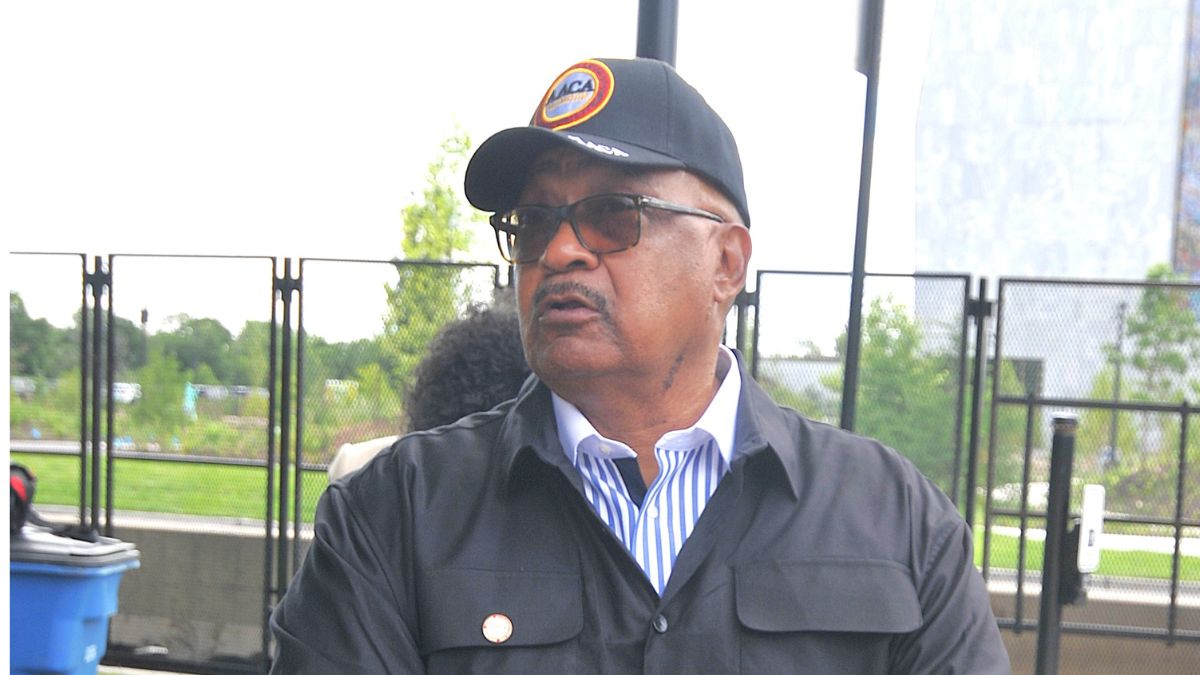
When Omar Shareef started the African American Contractors Association in 1989, he had $100, a front room in his mother’s house, and a room full of family members licking, sticking, and folding mailers. Thirty-five years later, that humble beginning has grown into one of Chicago’s most vital advocacy organizations for minority contractors — and the fight is far from over.
A Foundation Built on Access
Shareef, who has been in the construction industry since 1982, founded the African American Contractors Association with one guiding principle: opportunity should be shared, not hoarded.

“I told myself that if I was ever successful in business, I would work on building an organization that would lead people to opportunity — versus altering it or sheltering it for themselves and their friends,” he said.
With support from the Chicago Urban League at 1350 S. Michigan Avenue, the association held its first meetings and grew from three individuals to over 100 members in less than 34 months.
Contractor Day: 24 Years of Bringing the Industry Together
Each year, the association hosts Contractor Day — an annual convening of African American businesses, political leaders, labor organizations, and advocacy groups working toward a common goal. The event was born from a challenge laid down by the late Reverend Jesse Jackson Sr., who pulled Shareef aside one day and told him the industry needed to gather at least once a year.
“He told me the established contractors should do it because they had the resources,” Shareef recalled. “He said, ‘I’ll follow up on it — but you will do it.’ Then he drove off to the airport and left me standing outside wondering how I was going to pull this off.”
The Issue Destroying Small Contractors: “Pay When Paid”
This year’s Contractor Day is shining a spotlight on a practice that has long plagued small and minority-owned firms in the construction industry: pay when paid — a clause that allows general contractors to delay payment to subcontractors until after they themselves have been paid by the owner or developer.
“If the big General Contractors says ‘we haven’t been paid,’ the small contractors have to wait,” Shareef explained. “Thirty days may be acceptable. But 90 days? 120 days? Six months? You’re killing them — because they’re dealing with taxes, insurance, a line of credit at the bank, and suppliers.”
Melvin Armstrong, owner of Diversified General Contractor Inc. and a mechanical contractor in Chicago since 2003, echoed the urgency.
“We become the financers of the project — and that’s not the role we should play,” Armstrong said. “We’re a contractor, not a bank.”
Both men agree that the solution must come from legislators. Shareef is calling for laws that require timely payment to small contractors regardless of where the payment chain stands — because without cash flow, these businesses cannot survive long enough to build the industry’s future.
“You’re destroying their company before they even come out of the ground,” he said.
The conversation also turned to widely circulated reports of subcontractors not being paid for their work on the Obama Presidential Center. Shareef confirmed that eight contractors affiliated with his organization worked on the project and have faced payment issues — many of them unable to speak publicly due to non-disclosure agreements.


The core of the problem, he explained, was unapproved change orders. As the scope of work shifted during construction, subcontractors performed additional work that was agreed upon verbally but never formally approved for payment — leaving them holding the bill.
“You have to have somebody directing and charting the course,” Sharif said. “If you’re at the top of the food chain, you make sure things stay in order. They left the wheel and the ship just rolled to land.”
One contractor’s bonding was destroyed entirely as a result — meaning every future job he takes must now be done on a cash basis. “That job was not a help to him,” Shareef said. “It was a hindrance.”


Still Standing, Still Fighting
From $100 in a mother’s front room to 35 years of advocacy, Omar Shareef and the African American Contractors Association remain a lifeline for minority contractors navigating an industry that was not built with them in mind.
Contractor Day continues to be the rallying point — a day for contracts, jobs, networking, and the collective voice of an industry demanding its rightful place at the table.
“We are a line of African American business, political, labor, and advocacy organizations working together to achieve a common goal,” Shareef said. “And correcting the wrongs that have been done to us in this industry.”
Lakeside Alliance and its Impact
To promote local economic opportunity and diversity, the Obama Foundation selected a consortium of minority-led firms to oversee the billion-dollar project on the South Side of Chicago. This group joined with Turner Construction to form Lakeside Alliance.
The Firms: The four Black-owned partners brought local expertise and leadership to the project. The project employed nearly 5,000 people from the immediate Chicago area, the majority of whom were African American. The alliance was designed as a paradigm shift to give minority-led firms major-project experience and foster careers in the trades for young people on the South
Subcontractor Payment Disputes While the primary construction managers made history, the project also experienced financial strain at the subcontractor level.
Unpaid Invoices: In the weeks leading up to the center’s opening, several smaller Black-owned subcontractors reported facing financial hardship. They claimed they were owed millions of dollars for their labor due to disputes over change orders and delayed payments with the primary contractors.
Foundation Response: The Obama Foundation noted that it did not have direct contracts with the subcontractors, but implemented accelerated, 15-day payment cycles and worked with Lakeside Alliance to provide financial assistance to smaller firms where possible.